Egyptian Empire

Egyptian Empire

Ancient Egyptian adventurers and travelers reached as far as Australia, as West as Scotland and as South Africa.

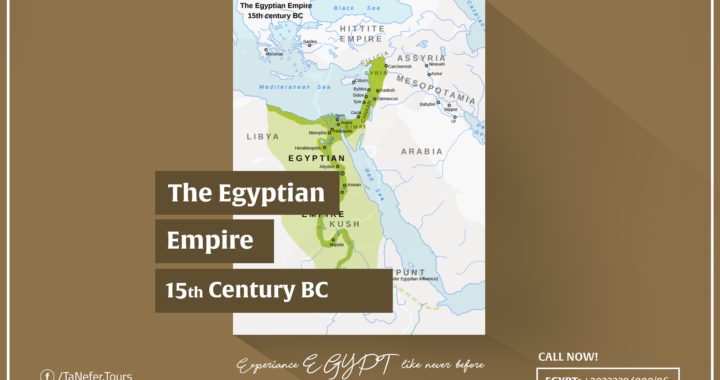
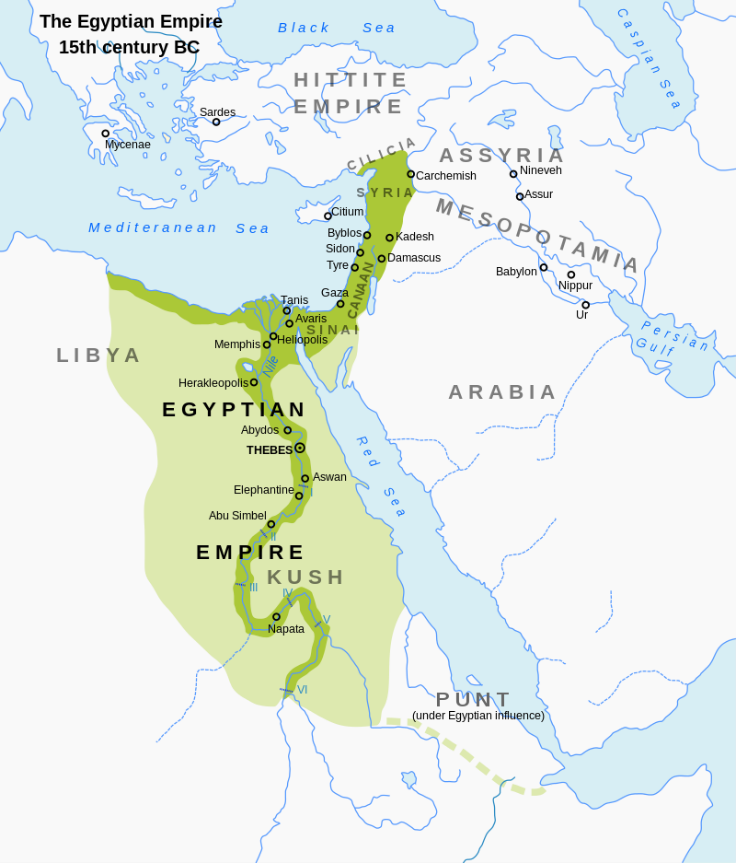
New Kingdom pharaohs established a period of unprecedented prosperity by securing their borders and strengthening diplomatic ties with their neighbors, including the Mitanni Empire, Assyria, and Canaan. Military campaigns waged under Tuthmosis I and his grandson Tuthmosis III extended the influence of the pharaohs to the largest empire Egypt had ever seen.

Between their reigns, Queen Hatshepsut generally promoted peace and restored trade routes lost during the Hyksos occupation, as well as expanding to new regions. When Tuthmosis III died in 1425 BC, Egypt had an empire extending from Niya in north-west Syria to the fourth waterfall of the Nile in Nubia, cementing loyalties and opening access to critical imports such as bronze and wood.
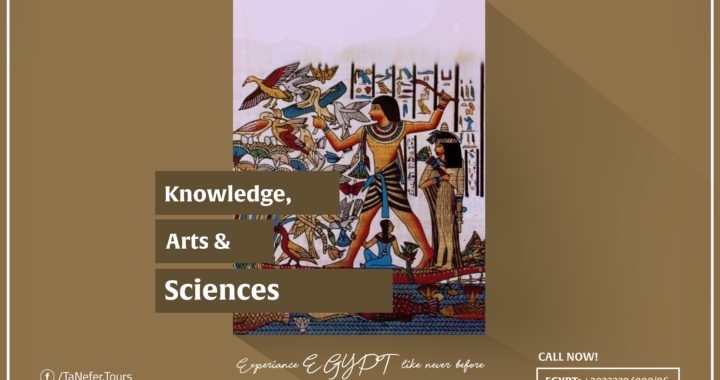
Knowledge, Arts & Sciences

Knowledge, Arts & Sciences

Political Stability, Social Tranquility, and Economic Prosperity were the sweet fruits of the unification of Upper and Lower Egypt and also helped Egyptians to lead human civilizations. All this enabled ancient Egyptians to mastered sciences including Medicine, Geometry, Astronomy & Arts.

The medicine of the ancient Egyptians is the oldest documented. From the beginning of the civilization in fourth Millennium BC; Egyptian medical practices went largely unchanged and were highly advanced for all times, including simple non-invasive surgery, the setting of bones and an extensive set of pharmacopeia. Egyptian medical thought influenced later traditions, including the Greeks.

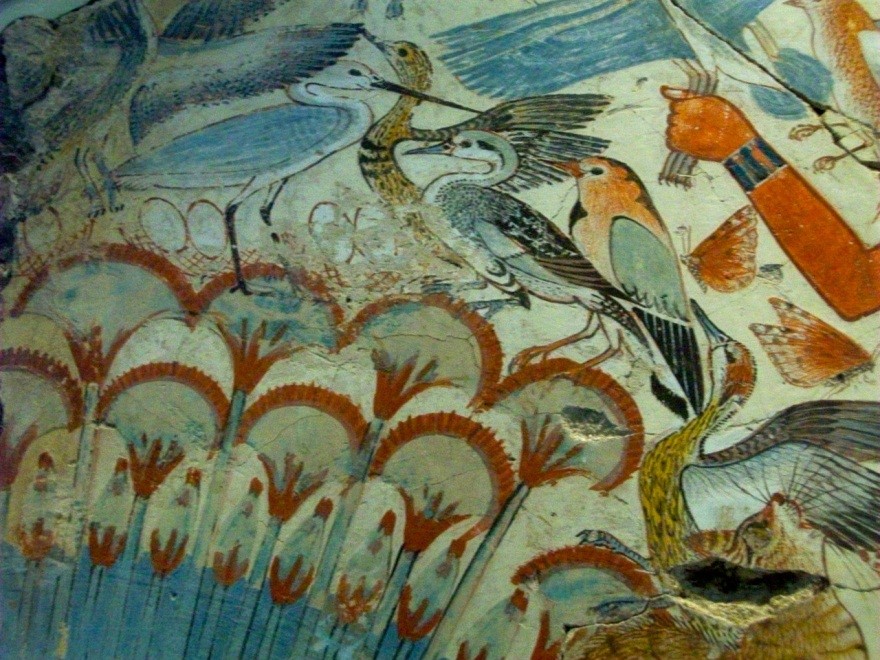
Egyptian art is famous for its distinctive figure convention, used for the main figures in both relief and painting, this appears as early as the Narmer Palette from the first dynasty. Other conventions make statues of males darker than female ones. Very conventionalized portrait statues appear from as early as Dynasty II, 5000 years ago, and with the exception of the art of the Amarna period of Ahkenaten.

Egypt the First State Ever

Egypt the First State Ever

Seven millennia ago, there were two different kingdoms in Egypt. One in the South, Upper Egypt, and another in the North, Lower Egypt. Finally, both had been unified under one central government ruled from the first capital called "Memphis"

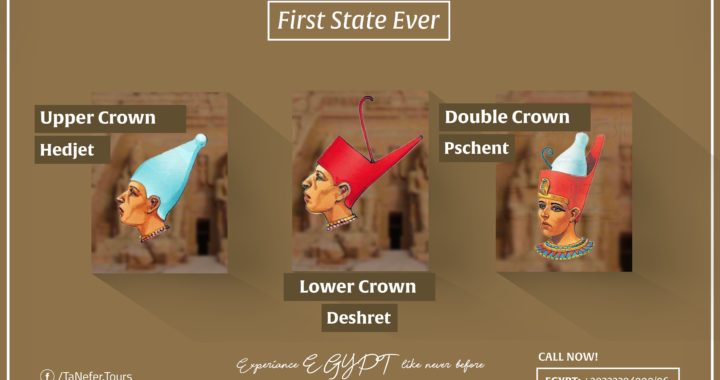
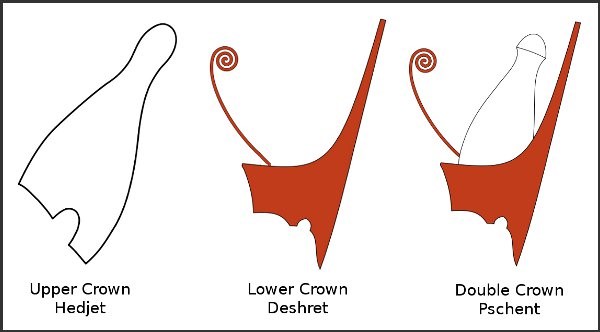
3200 BC is a significant in the Egyptian history, it was the year when King Menes or Mena-Narmer unified both kingdoms, wore both White and Red crowns of the North and South and created the first political state in human history, which is lasting till today.

Egyptians have built first professional army, police, central and powerful government then known to man. This government represented by a Divine King known today as "Pharaoh". Vizier was a secular job second to Pharaoh and head of Government.

Egypt also was ruled by some female-pharaohs, such as: Neith-hotep who is considered first queen in human history as well as Hatshepsut, the smartest and most powerful queen ever long before Cleopatra, the Queen of Romance.

Writing in Ancient Egypt [Hieroglyphs]

Writing in Ancient Egypt [Hieroglyphs]

First and most amazing Egyptian invention ever; that pure Egyptian tool helped mankind to record their beliefs, heritage, and history.

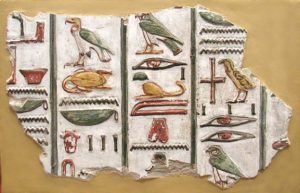
Egyptians have invented the first writing in human history, started with some signs, marks, and pictures from the surrounding environment. This type of writing was called by ancient Greeks hieroglyphic meaning the holy inscription or holy writing which was used for religious purposes.

Hieroglyphic Writing

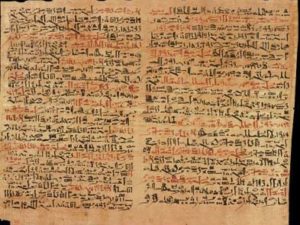
Hieratic Writing

Then they developed another cursive type of writing called Hieratic which was basically used by priests to summarize and explain holy inscriptions.

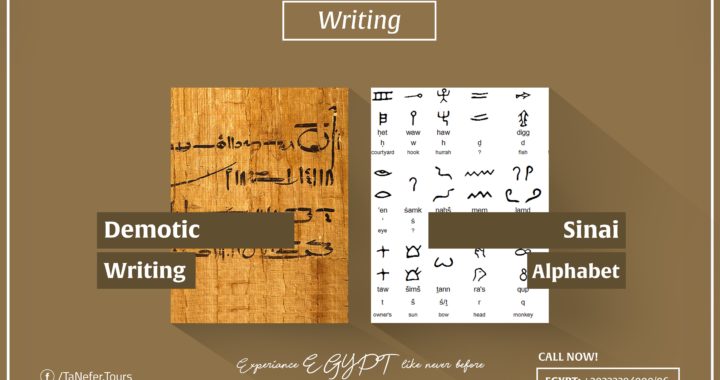
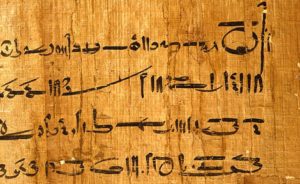
Demotic Writing

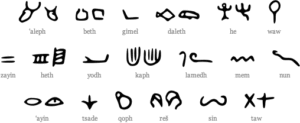
Sinai Alphabet

Demotic, everyday writing, used by local government and individuals.

Egyptians also devolved the first alphabet known to man called "Sinai Alphabet" which is the base of all western alphabets today. They have also added Coptic which is still in use in Coptic Church's liturgy and prayers.

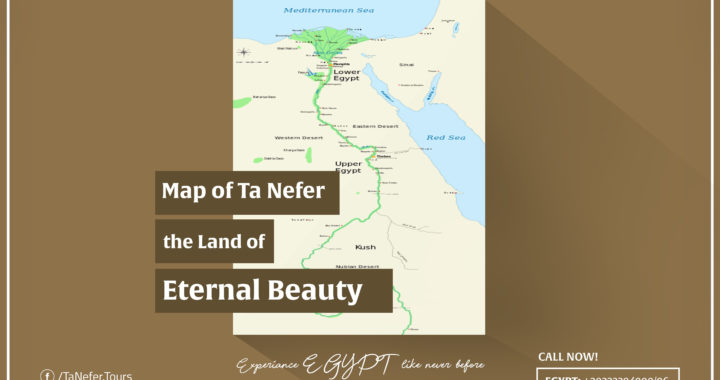
TaNefer – The Land of Beauty & Goodness

Ta Nefer

The Land of Beauty and Goodness

Genius Location:

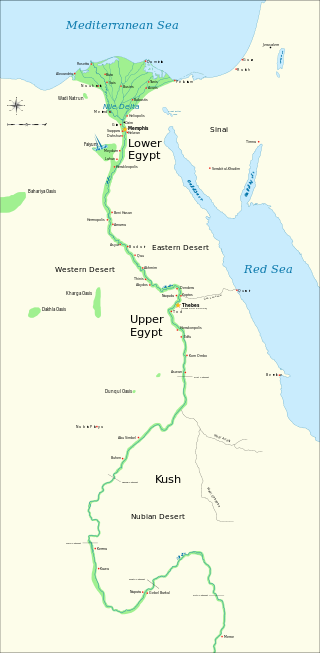
Egypt, Ta Nefer, is located at the heart of the world

It has a unique location at the north-eastern corner of Africa with the Sinai Peninsula to the very west of Asia.

Egypt is bordered by the Med to the North, the Sahara to the West, the Nile Cataracts to the South and the amazing Red Sea and the Holy Land to the East.

River Nile feeds the country with its divine waters and fertile silt, which is bringing life, prosperity, and peace into Egypt.

The Beginning:

Sahara, which used to be lush Savanna millennia ago, did witness the birth the oldest of human civilizations

Agriculture is as old as Egyptian history; first settlers on the River Nile have led the first revolution in human history which changed the concept of life forever. This green revolution changed lifestyle from nomadic into civilized.

The Nile helped Egyptian to change but wouldn’t have been that amazing without the creativity of Egyptian people. There's a bunch of other countries sharing Egypt that amazing river, but Egyptians were the sole people to give life new horizons and meanings.

Egyptians' creativity started basic agriculture on the banks of the Nile, to secure their needs during hard times and low water flooding seasons. They also have domesticated animals to use them in the farms or for their milk, flesh or wool.

Agriculture gave Egyptian countless blessings such as; tranquility, faith, patience, commitment, management, productivity, and richness. Those were the Pillars of Creativity and the Seeds of Civilization